Trusted messengers
How a chance meeting in an Arkansas church reaffirmed my views on community journalism

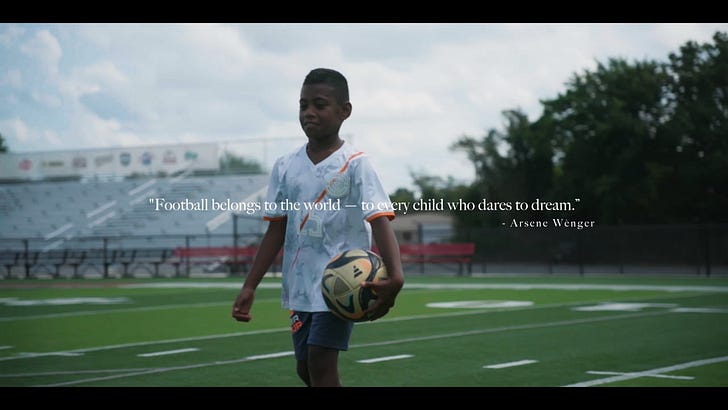
I’ve spent the past few months working alongside a team of business school classmates on a consulting project in support of the Marshall Islands Soccer Federation.
I wrote about our project in my last newsletter back in February — it’s been a while, hi! — but the mandate was to help MISF build its revenue strategy to support its ultimate goals of growing the game in the Marshall Islands, building its men’s and women’s national teams, and joining FIFA. That month, our team traveled to Northwest Arkansas, home to the largest Marshallese community outside the Marshall Islands, to meet with potential sponsors, funders, and community leaders to explore revenue opportunities.
The lessons we learned on the trip not only changed the trajectory of our project, but also reaffirmed many of the common themes we’ve been talking about in the local news space over the past few years, including the importance of community trust for building durable revenue streams and the value of trusted messengers for sharing news and information.
Here’s how it happened:
For our first two days of the trip, we met with the leaders of Marshallese advocacy groups and government officials. We ended each meeting with the same question: Who else should we meet with? We received the same answer each time: Everyone told us we had to meet with a person I’ll call A. But when we asked for an introduction, everyone cautioned that A was constantly busy. Texts went unreturned and calls weren’t picked up.
Who’s A? He’s a program leader at a local church with a large Marshallese membership. Beyond that, he’s an important source of community information, posting regularly to his Facebook page. In a community of 20,000 or so people, A has more than 12,000 followers. His page, and other groups he manages, are where the Marshallese community goes for information. If we wanted to get the word out about the MISF, we needed to get to know A.
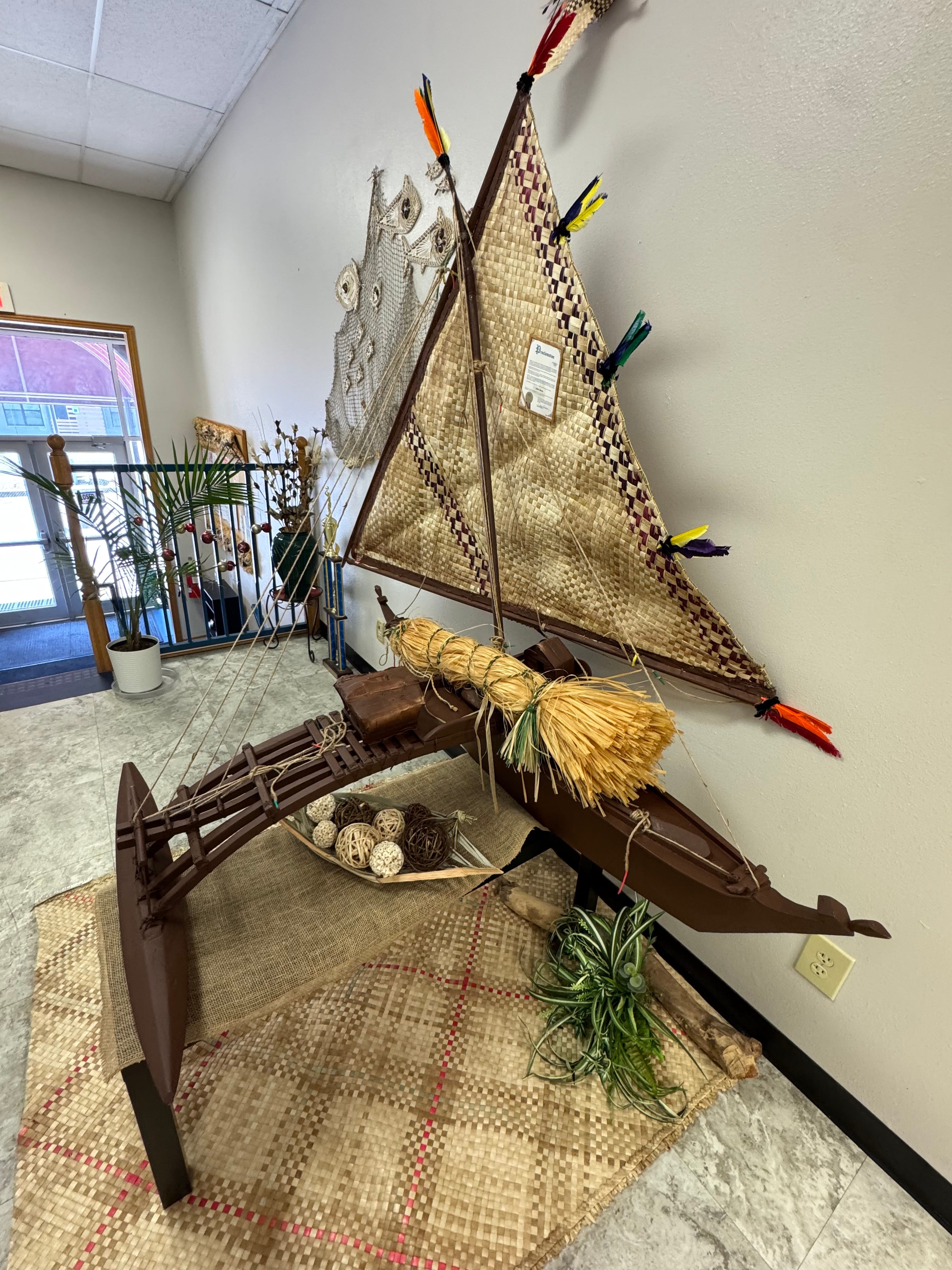
After a few more tries, we were able to get through to him. A agreed to meet us at 6 p.m. on a Friday at his church. He led us through darkened hallways to his office, which was decorated with Marshallese art and traditional Marshallese shirts hung from the walls. He took a genuine interest in the project, and shared information that only comes from deep familiarity with a community. He told us how central Facebook is to sharing information, he shared details about the pick-up softball tournaments organized to celebrate holidays like Constitution Day, and he let us know that soccer is becoming more popular with young people. As we parted, he agreed to help us share resources with the community.
We were grateful to everyone we met in Arkansas for sharing their insight, and it fundamentally altered how we approached the project. After each meeting we learned a bit more about how information flowed through the community, what institutions people trusted, and who we needed to engage with to reach our target audiences.
We learned that the community had to come first if the MISF wanted to both fulfill its mission to develop interest in soccer and also meet its revenue targets. We decided to devote significant time to crafting a community engagement strategy that could help the federation deepen relationships so it can build a fanbase and grow its grassroots. We also revamped the organization’s digital infrastructure with tools like a CRM to better manage its work and focused on revenue generation to support community engagement by applying for grants and meeting funders and sponsors.
For years now, those of us in the local news space have talked about trusted messengers and meeting communities where they are. It was thrilling to see these ideas in action in a non-news context.
There are people like A in every community. The coverage and platforms may change, but the trusted human connection will remain the same. It’s not enough just to publish stories and expect that they will reach their intended audience. Journalists need to get out of their newsrooms and tap into the information streams that the audiences they’re trying to serve are actually using.
Our project with MISF wrapped up last week. We got a number of those ideas off the ground and handed off strategies and plans that the MISF can run with moving forward.
This also means that I finished my first year of business school. I’m now halfway through the MBA program. It turns out that balancing school on top of a full-time job and raising two boys under 3 is a lot, and none of it would have been possible without the support of Katy and our family. I couldn’t have done it without them.
Year 2 starts in a few weeks, and I’m excited to continue to think through what I’m learning in this space, although hopefully a bit more frequently.
Thanks, and more soon!